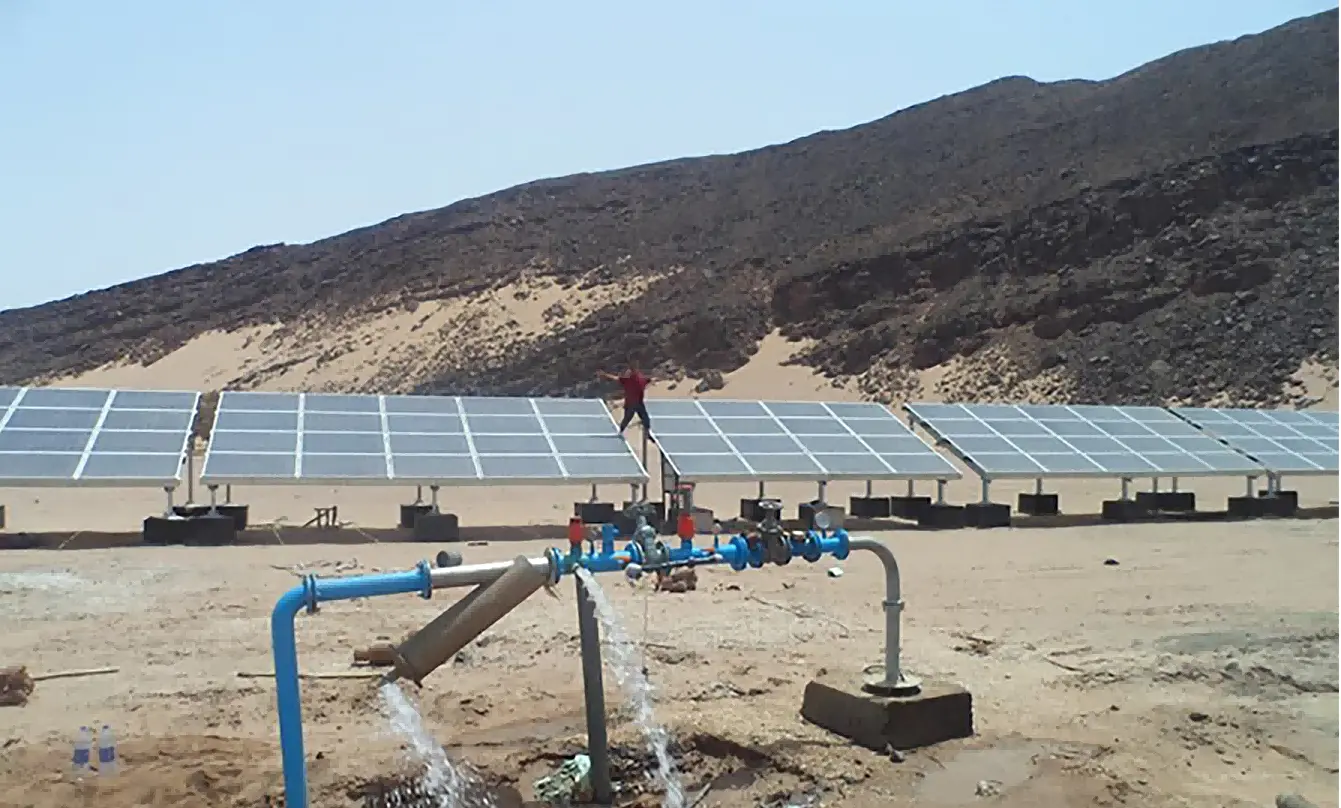
What is PV Energy Storage System For Farmland Irrigation ?
The farmland irrigation photovoltaic energy storage system is a system that combines photovoltaic (PV) solar panels with energy storage technology to provide reliable and sustainable power for the farmland irrigation system. Photovoltaic solar panels use sunlight to generate electricity to power irrigation pumps and other equipment needed to water crops.
The energy storage component of the system can store excess energy generated during the day for use when sunlight is insufficient or at night, ensuring continuous and reliable power supply for the irrigation system. This helps reduce dependence on the grid or diesel generators, resulting in cost savings and environmental benefits.
Overall, photovoltaic energy storage systems for farmland irrigation can help farmers reduce energy costs, increase energy independence, and contribute to sustainable agricultural practices.
Battery System
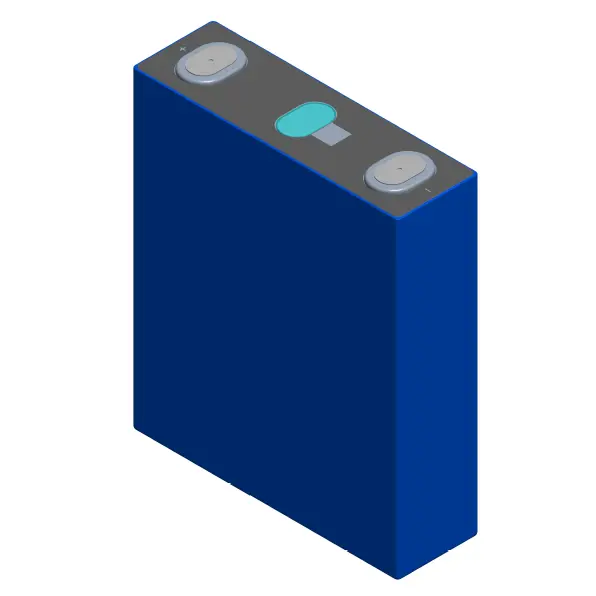
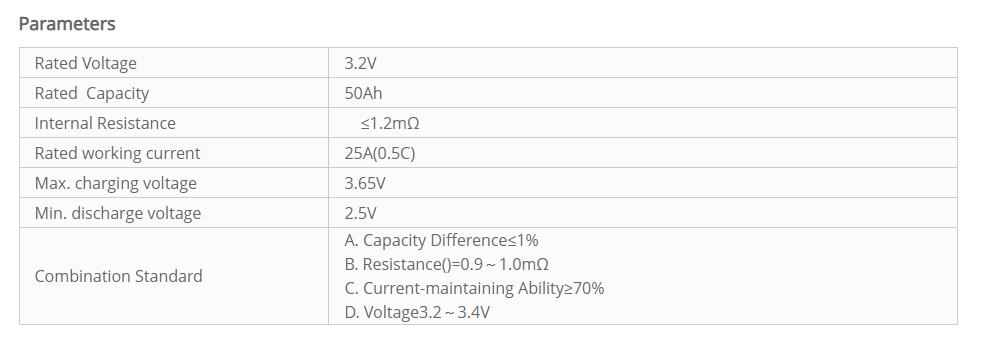
Battery Cell
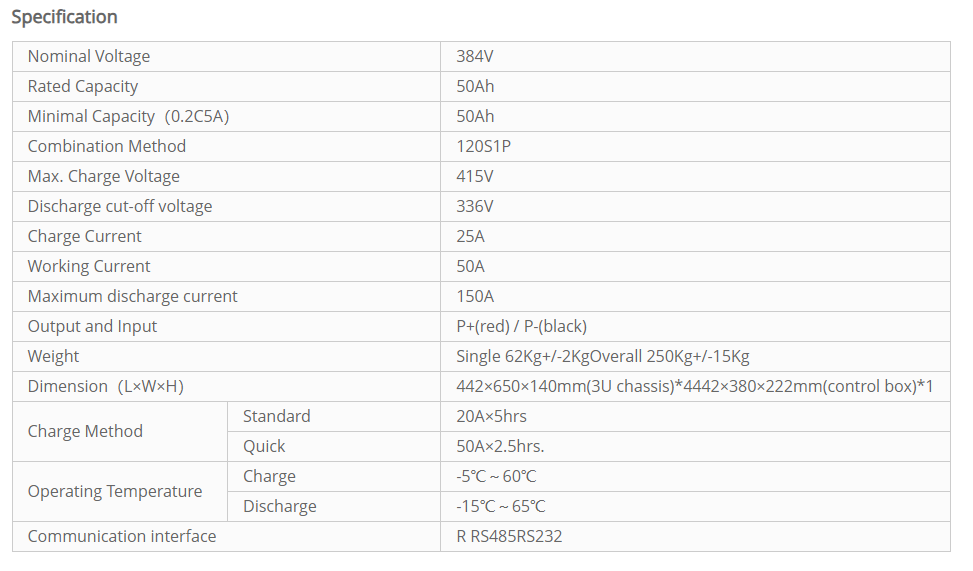
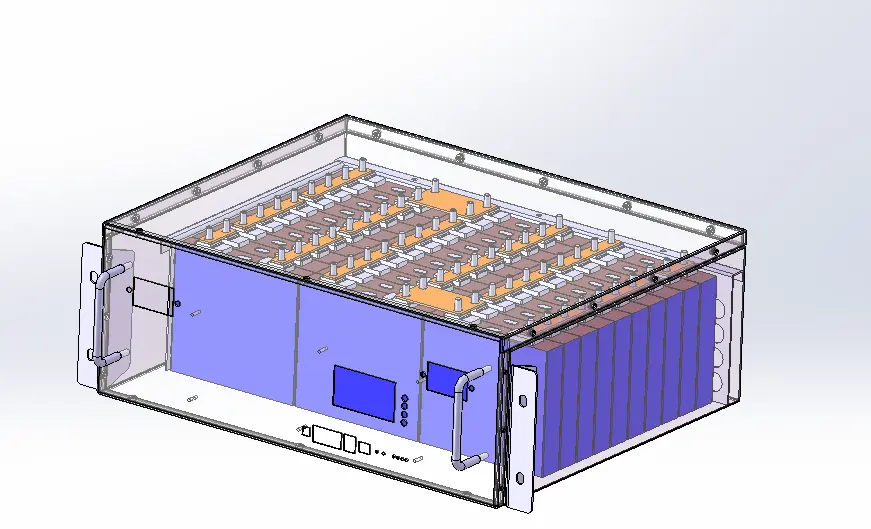
Battery Pack
.
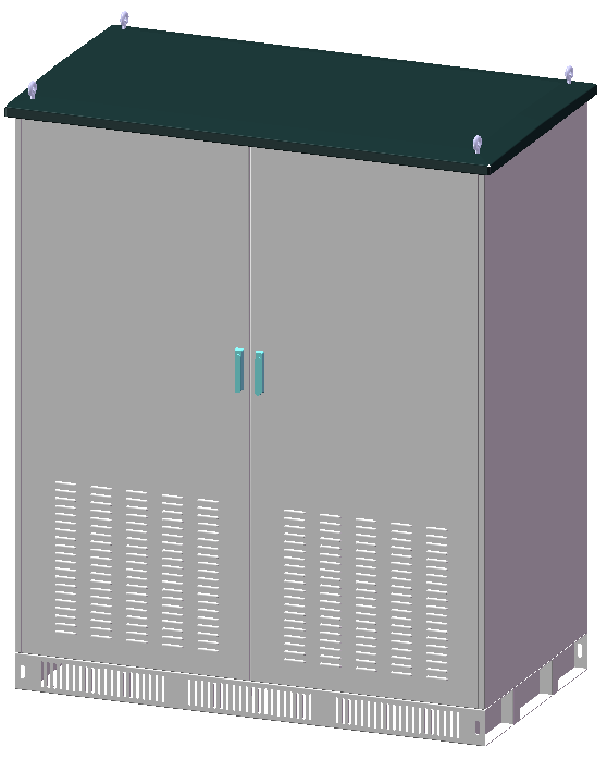
Product Apperance Design
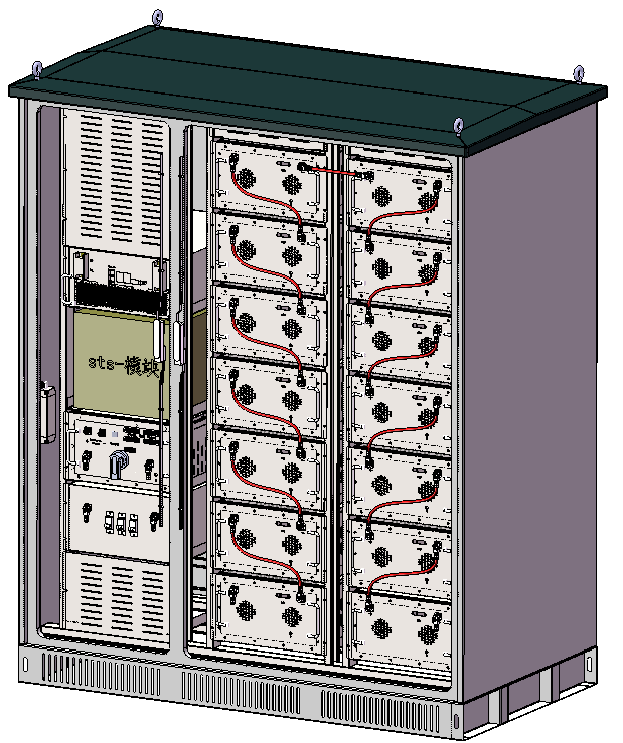
Inside View
Back View
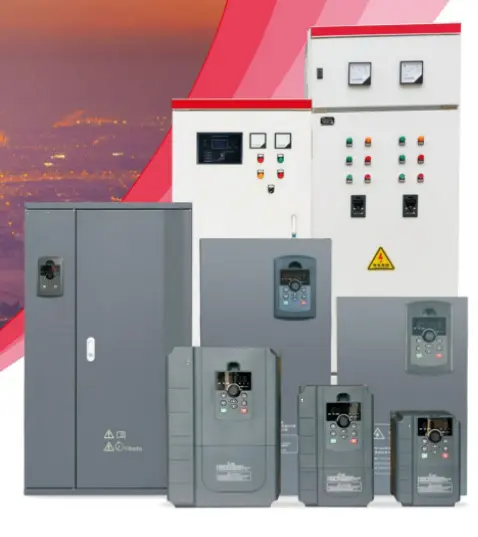
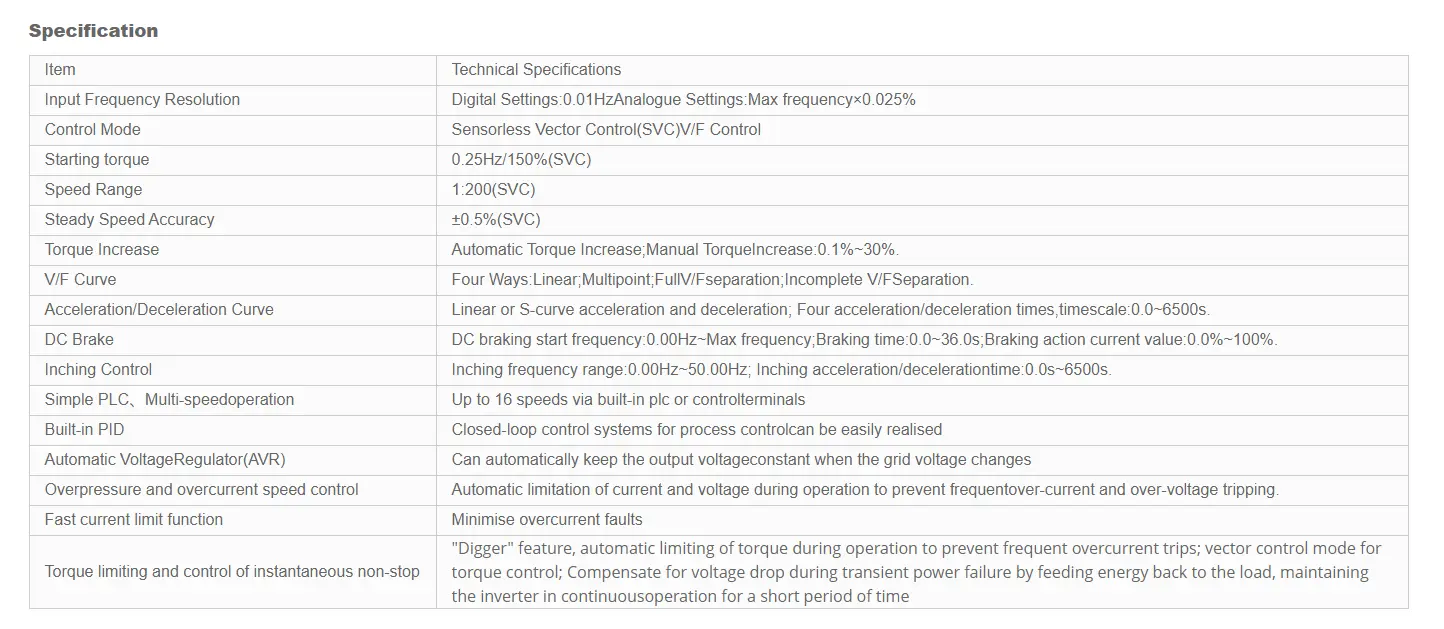
Heavy-Load Vector Frequency Converter
Introduction
The GPTK 500 series converter is a versatile and high-performance converter designed to control and adjust the speed and torque of three-phase AC asynchronous motors.
It utilizes advanced vector control technology to deliver low-speed, high-torque output.
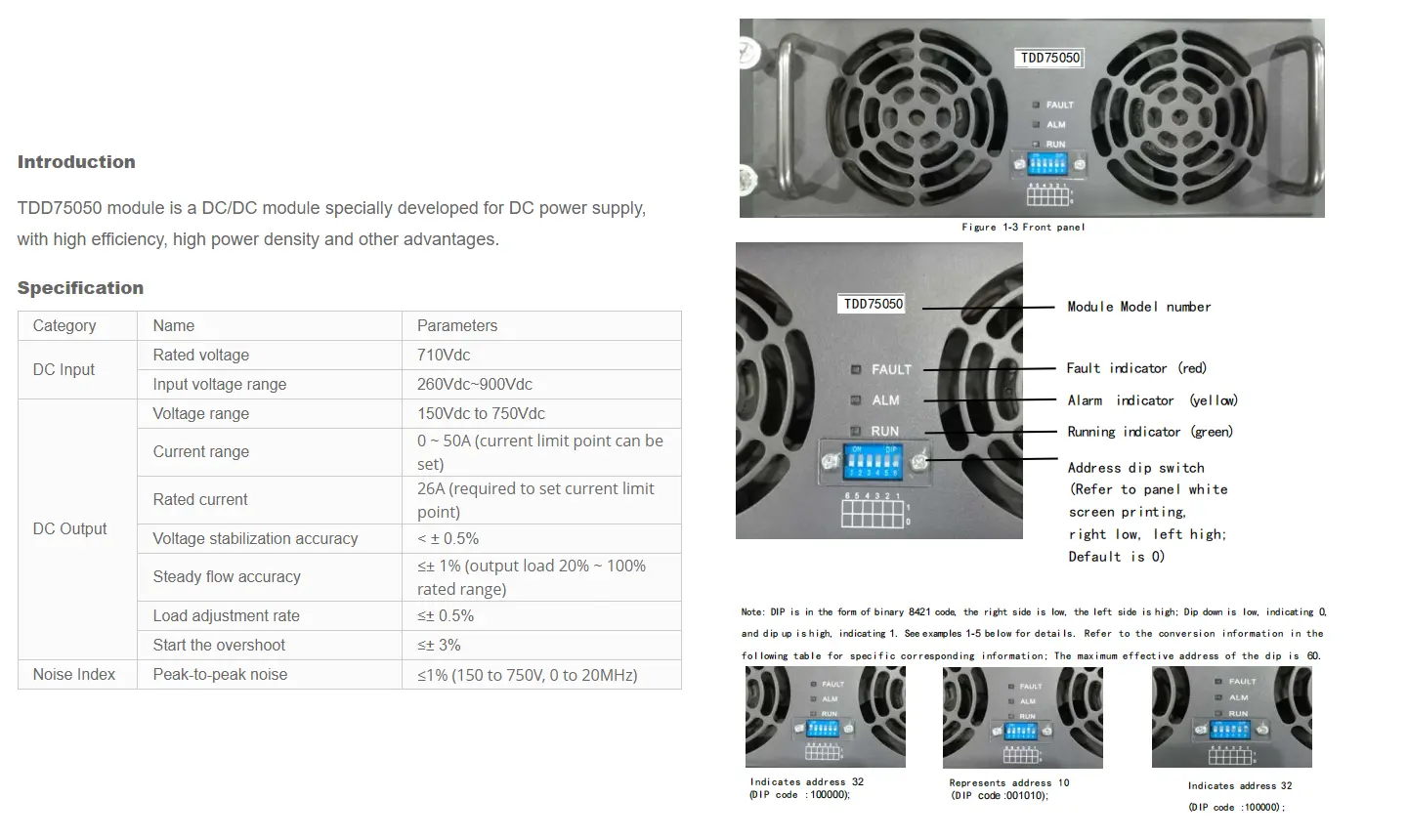
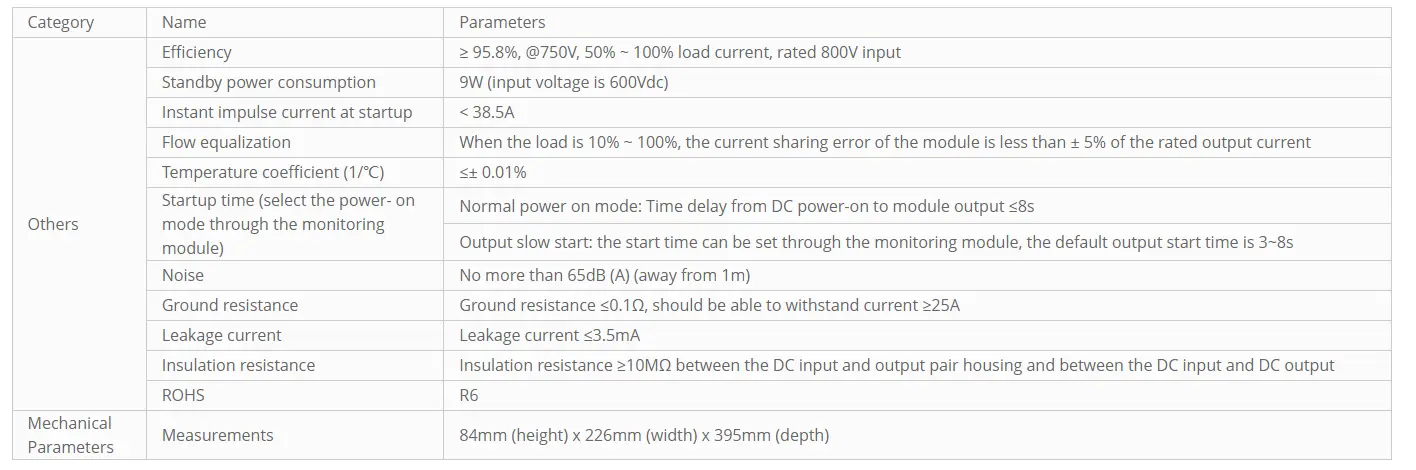
Solar Photovoltaic MPPT Module
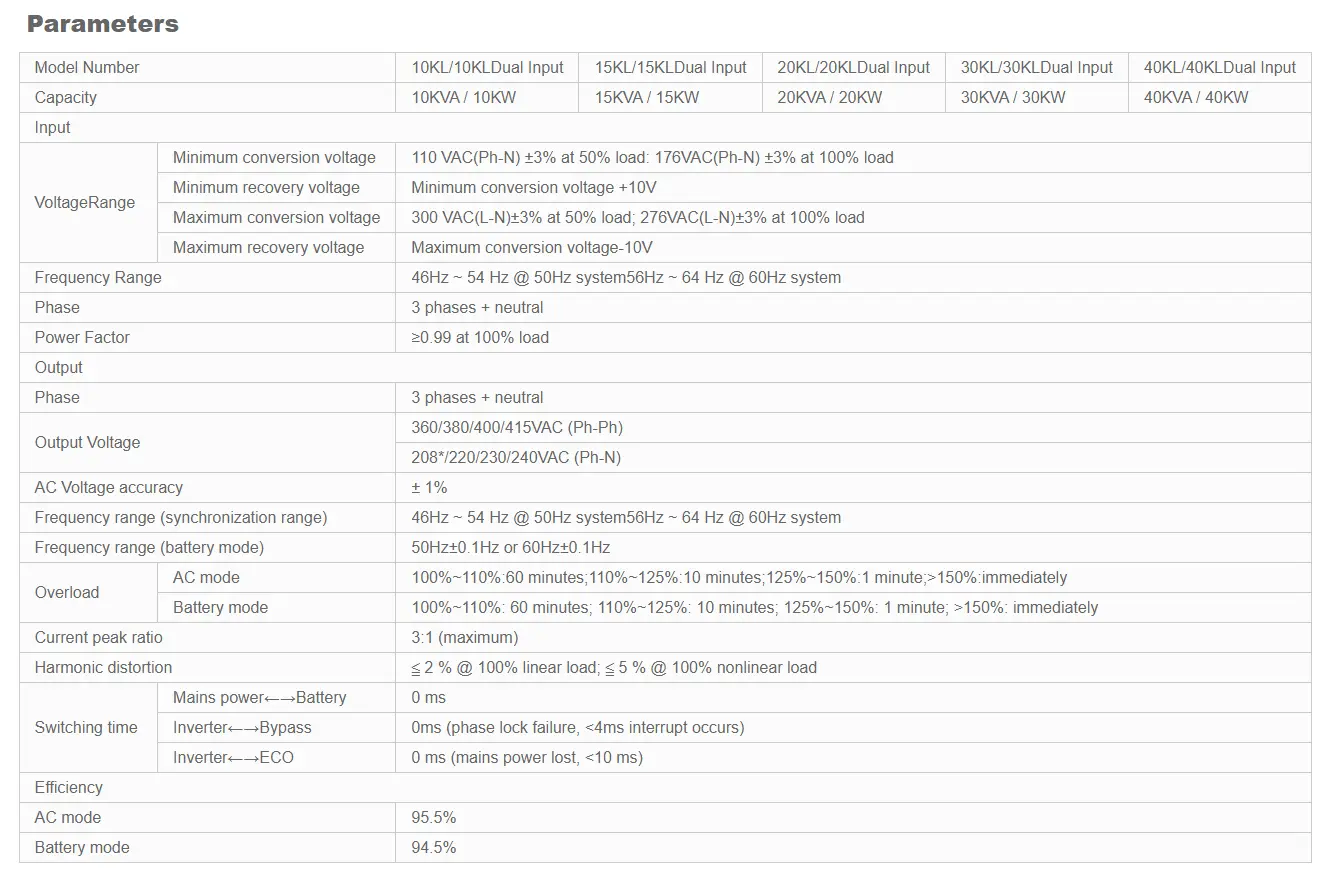
Inverter Galleon III-33 20K
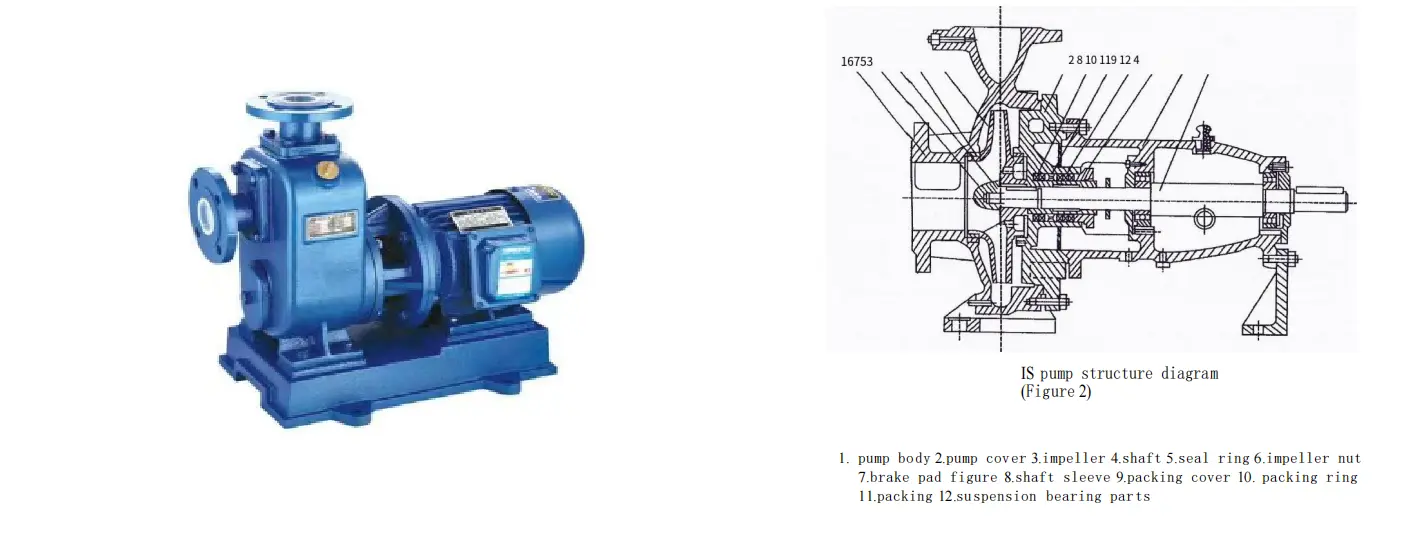
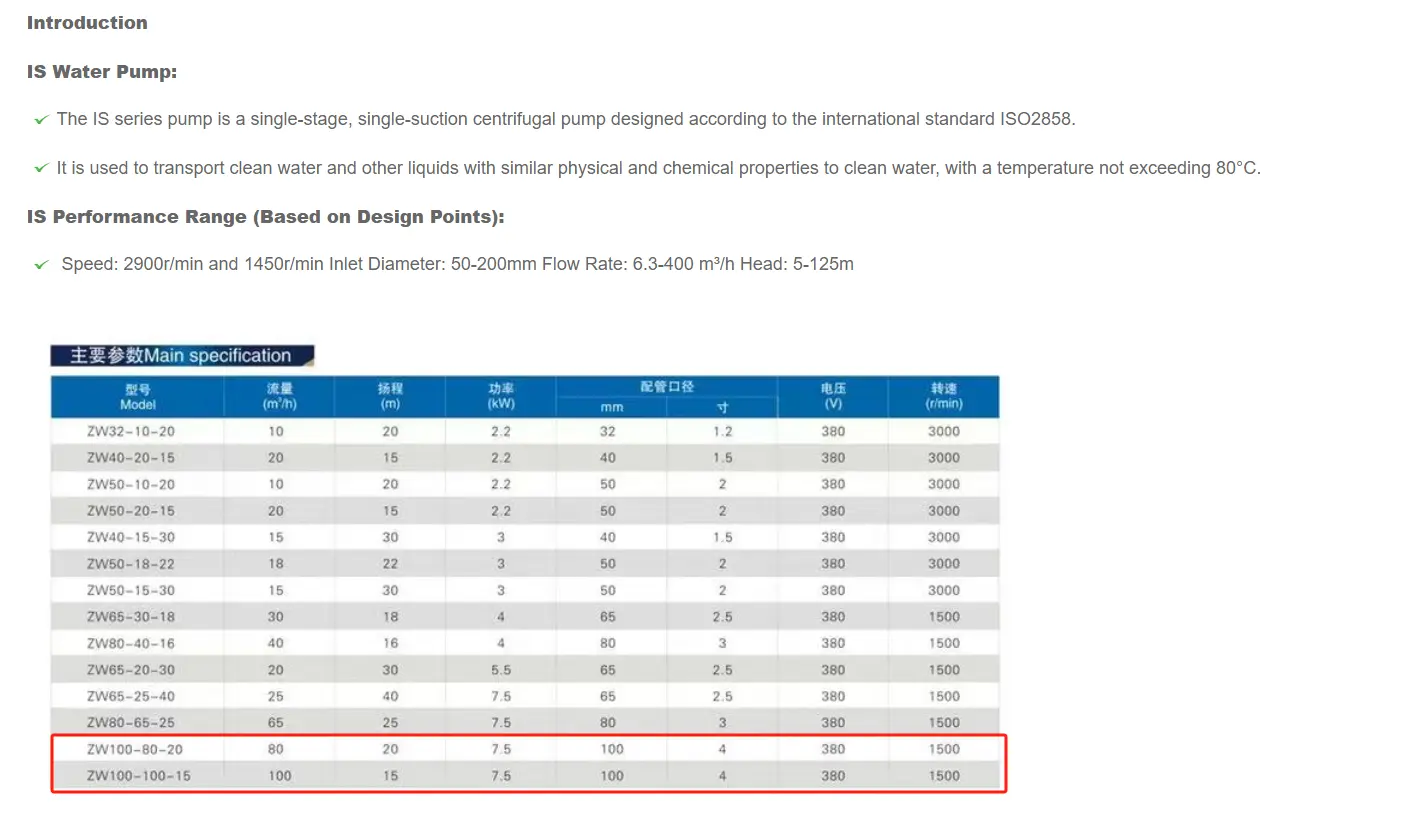
IS Water Pump
Fire Protection System
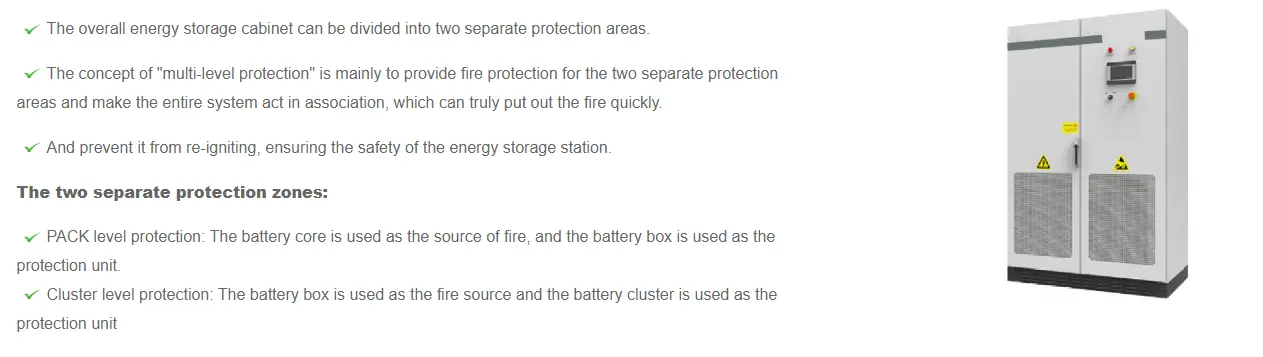
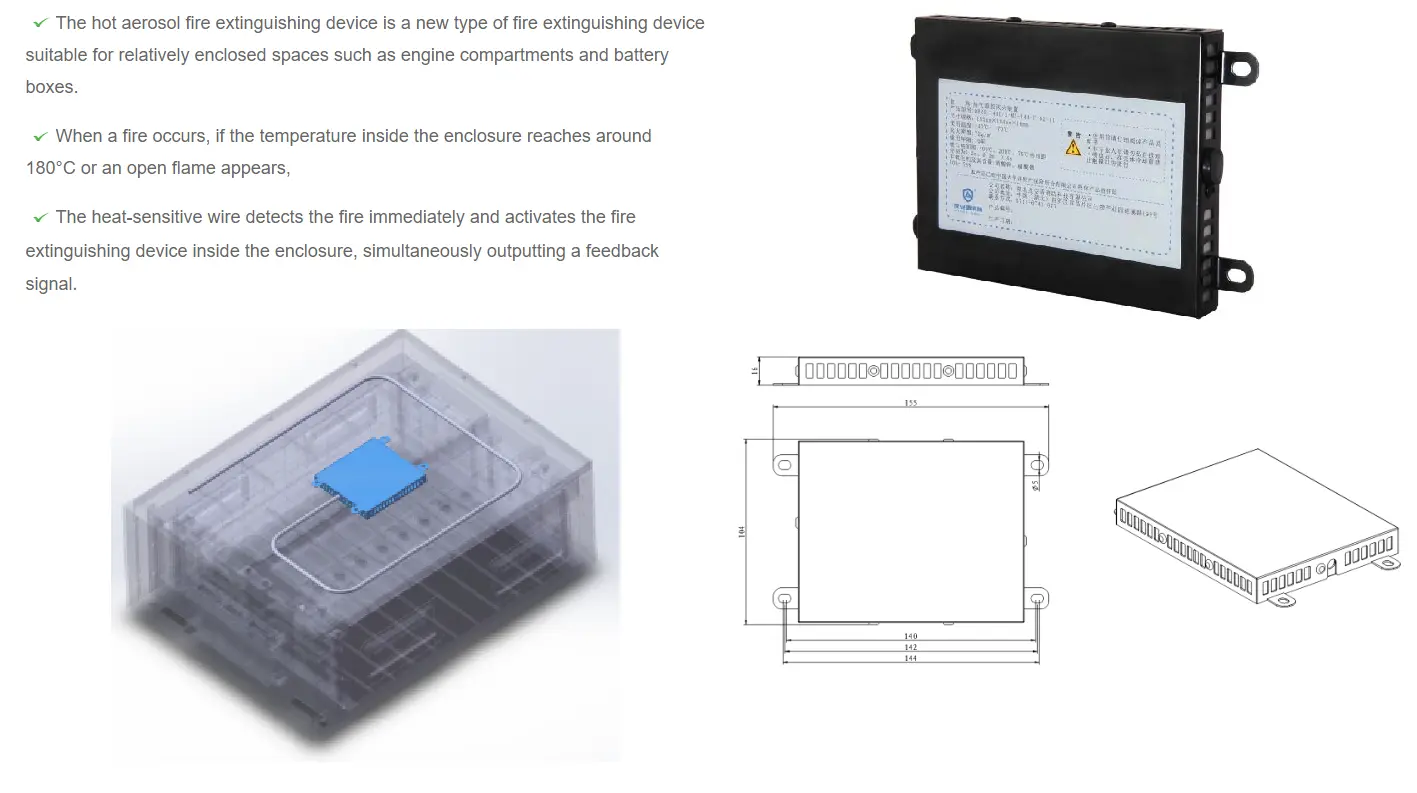
Pack Level Protection
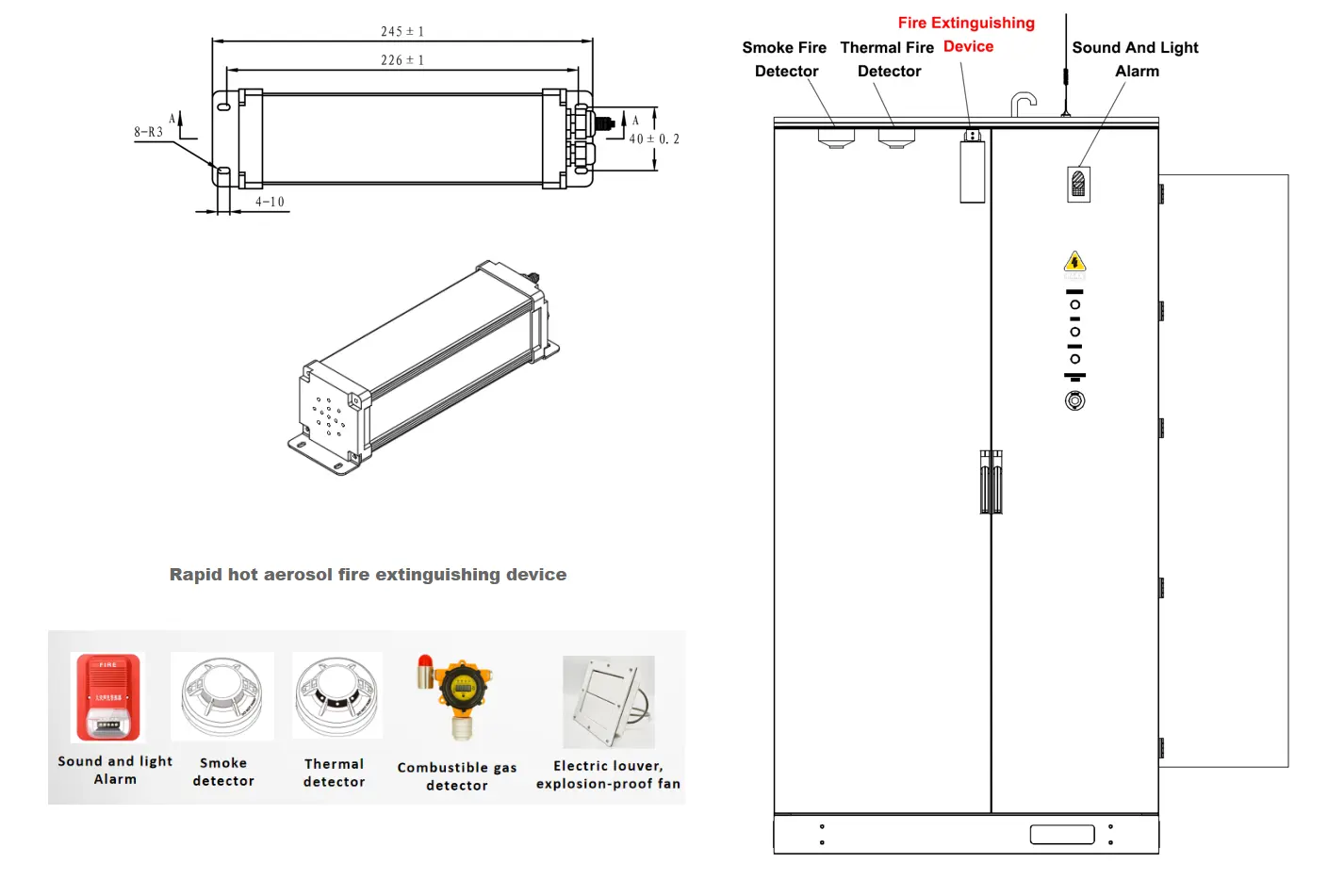
Cluster Level Protection
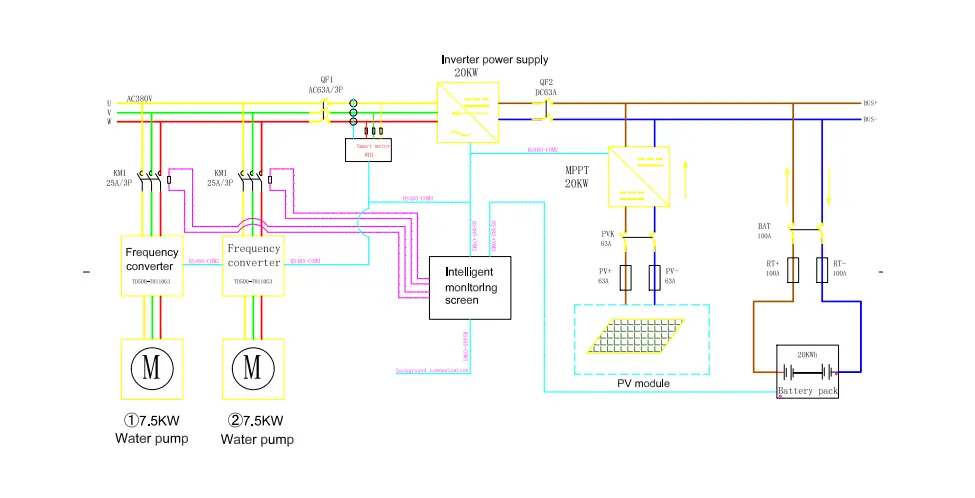
Electrical Schematic
The benefits of using photovoltaic energy storage systems for farmland irrigation are many and can have a significant impact on agricultural production.
Some Key Benefits:
1. Cost savings: By harnessing solar energy and storing excess electricity, farmers can reduce their reliance on the grid or diesel generators, thereby lowering energy costs over time.
2. Energy independence: The system provides a reliable, sustainable source of power, reducing dependence on external energy suppliers and increasing the farm’s energy self-sufficiency.
3. Environmental sustainability: Solar energy is a clean, renewable energy that helps reduce greenhouse gas emissions and environmental impact compared to traditional energy sources.
4. Reliable water supply: Even when there is insufficient sunshine or at night, the system can ensure continuous power supply for irrigation, helping to maintain continuous water supply for crops.
5. Long-term investment: Installing a photovoltaic energy storage system can be a long-term investment, providing a reliable and sustainable source of energy for years to come, with the potential for good return on investment.
6. Government incentives: In many areas, there are government incentives, tax credits or rebates for installing renewable energy systems, which can further offset the initial investment cost.
Overall, photovoltaic energy storage systems for farm irrigation offer a range of advantages, including cost savings, energy independence, environmental sustainability and long-term reliability, making them an attractive option for modern agricultural operations.