What is the DC Power System?
Direct current (DC) power systems are the backbone of mission-critical infrastructure, providing reliable and efficient electricity for telecommunications networks, data centers, and industrial operations. Leveraging rectifiers, batteries, inverters, and voltage regulators, these specialized power distribution solutions ensure a stable and resilient supply of DC power where AC is impractical or less suitable.
Engineered for maximum uptime and performance, DC power systems are the preferred choice in applications demanding unwavering electrical integrity. By circumventing the complexities of alternating current, these advanced solutions deliver the consistent, manageable power that supports the uninterrupted functioning of our most vital technological systems.
The work principle of the DC system
AC-to-DC Power Conversion
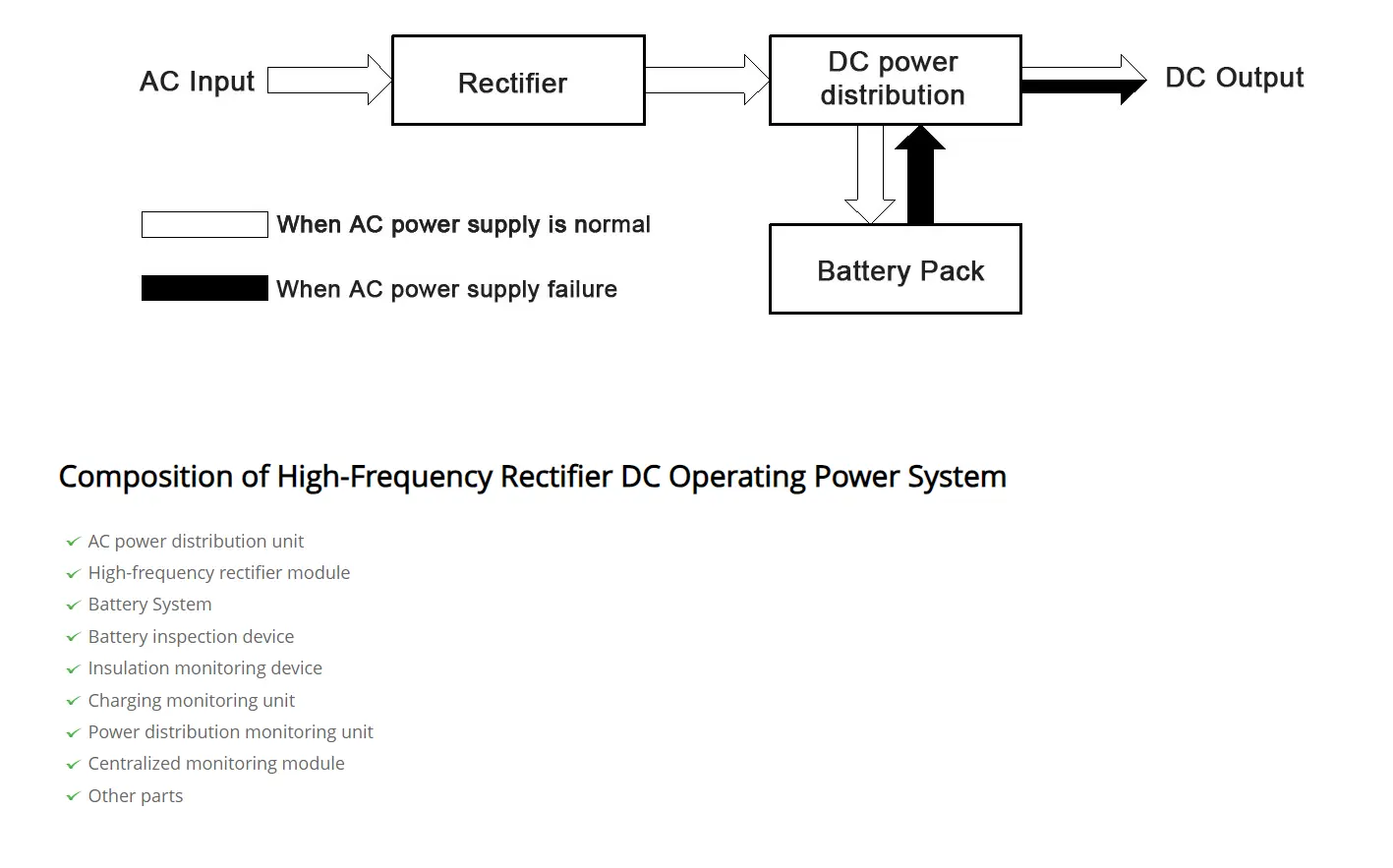
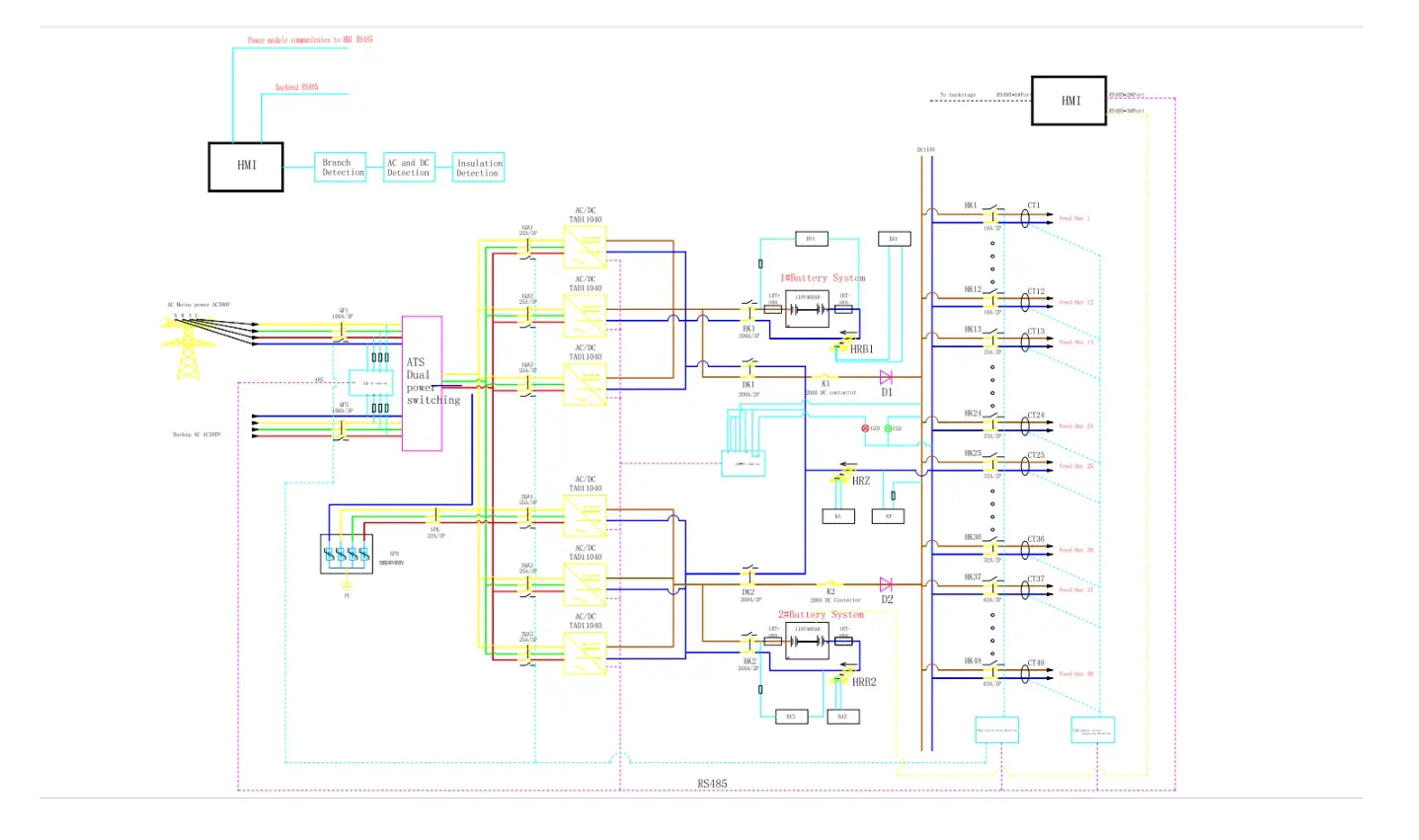
In normal operating mode, the AC power distribution unit channels grid electricity to the high-frequency rectification modules. These modules efficiently convert the alternating current into direct current, simultaneously charging the battery system and supplying stable DC power to the connected load through the DC distribution network. This seamless AC-to-DC conversion ensures uninterrupted operation, making the system well-suited for mission-critical applications requiring a reliable and consistent power supply.
AC power loss working state:
In the event of an AC grid outage, the system seamlessly transitions to battery backup mode. As the rectifier modules cease operation, the battery pack immediately takes over powering the connected DC loads without interruption. A monitoring module tracks the battery's discharge voltage and current in real-time, triggering alarms when the set end-of-discharge threshold is reached. Simultaneously, the module processes and displays data from the power distribution monitoring circuits, providing comprehensive status updates during the grid failure.
Design Principles for DC Systems
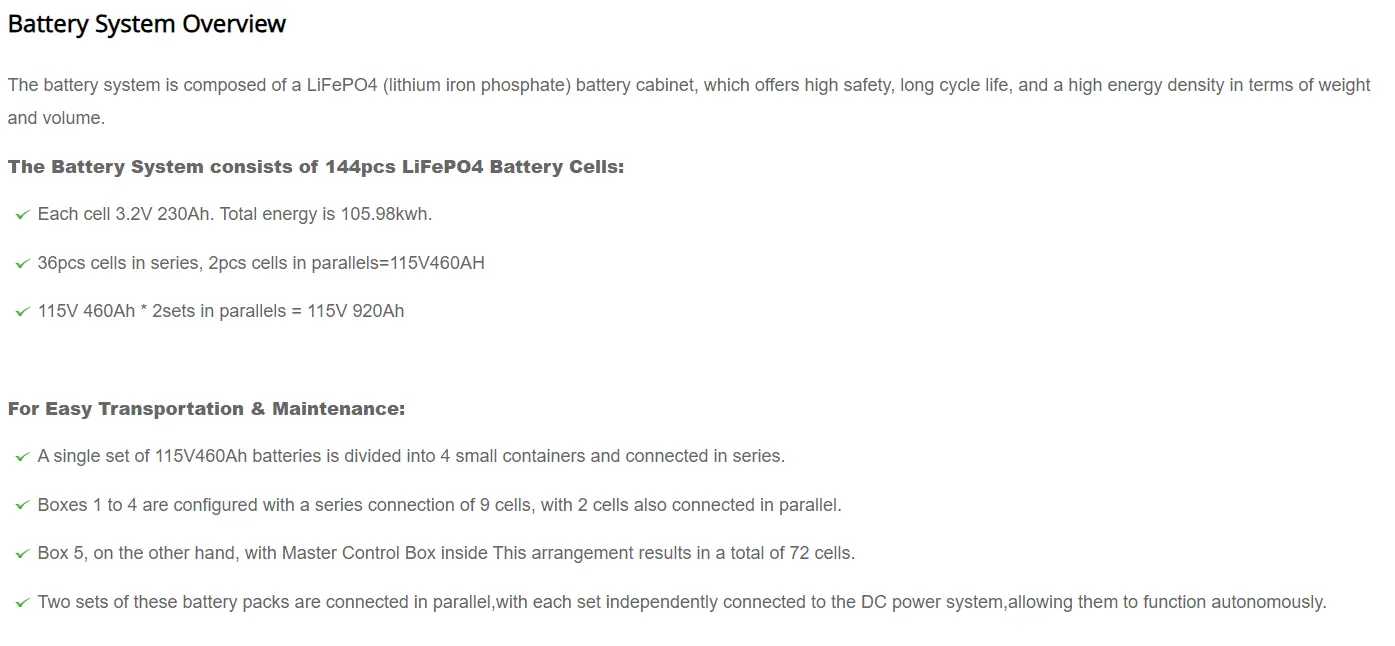
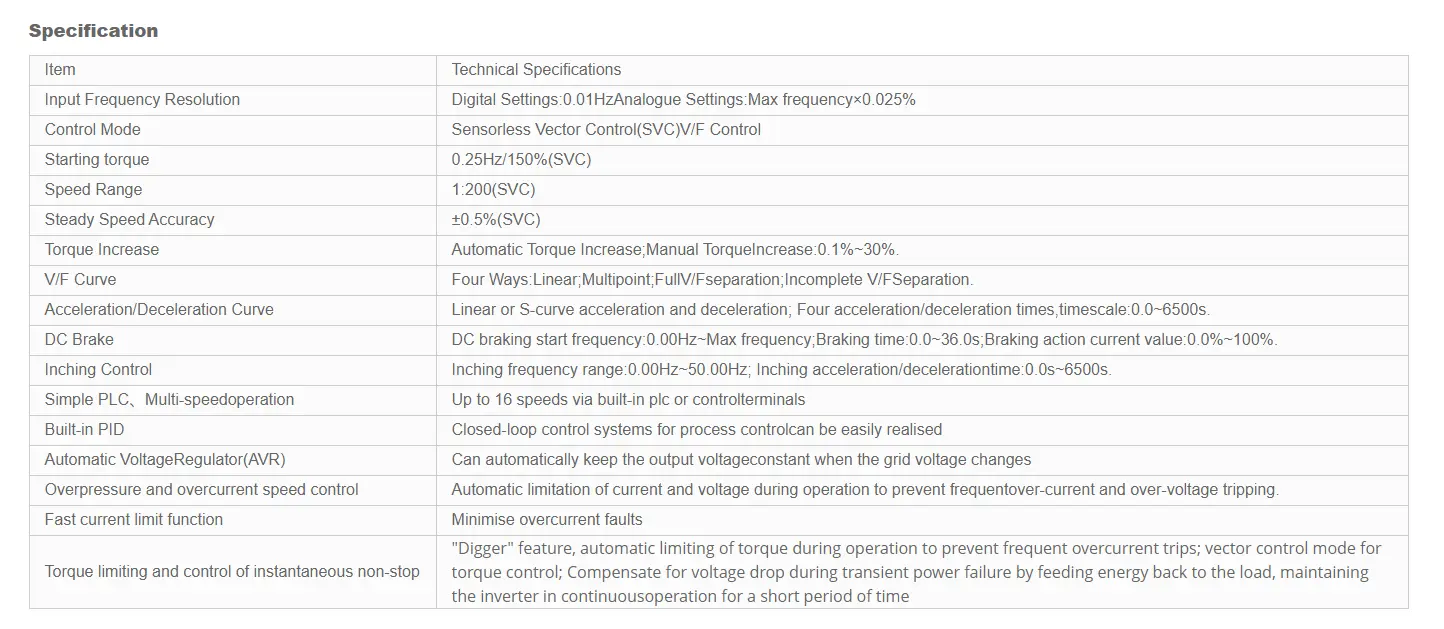
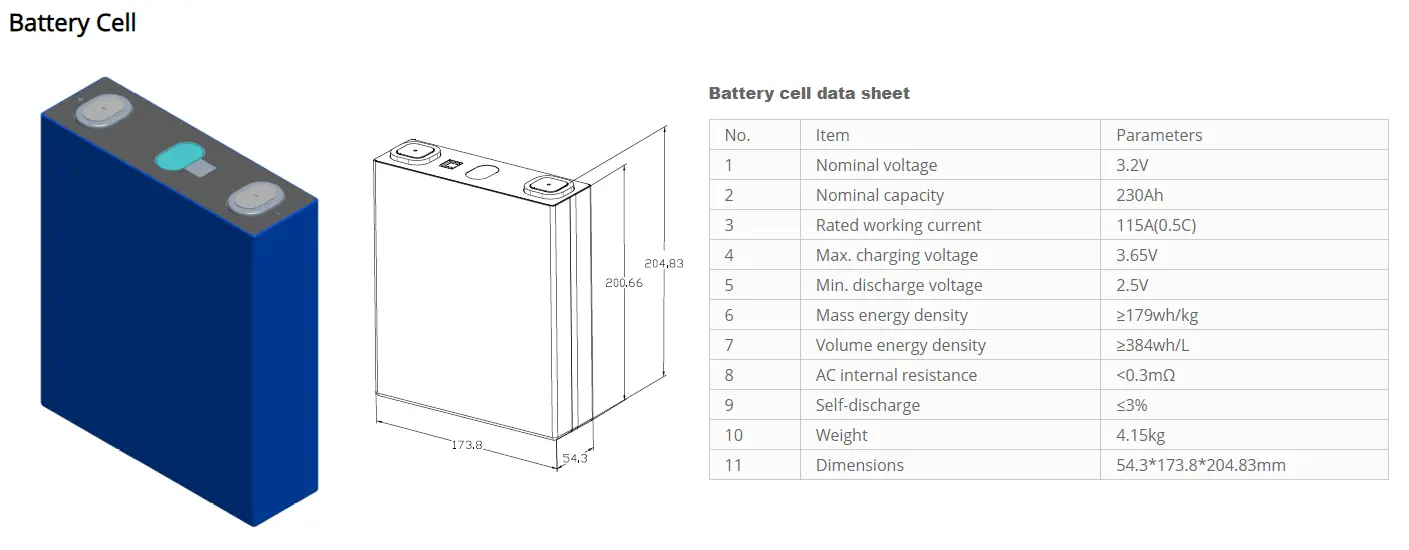
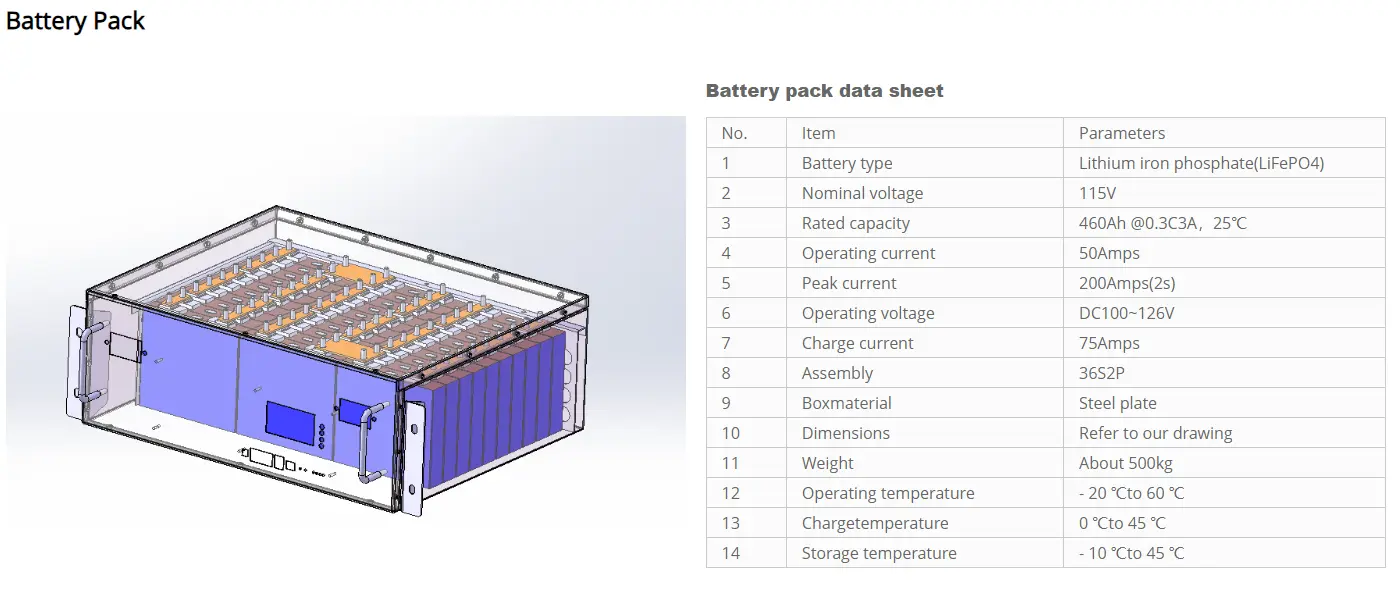
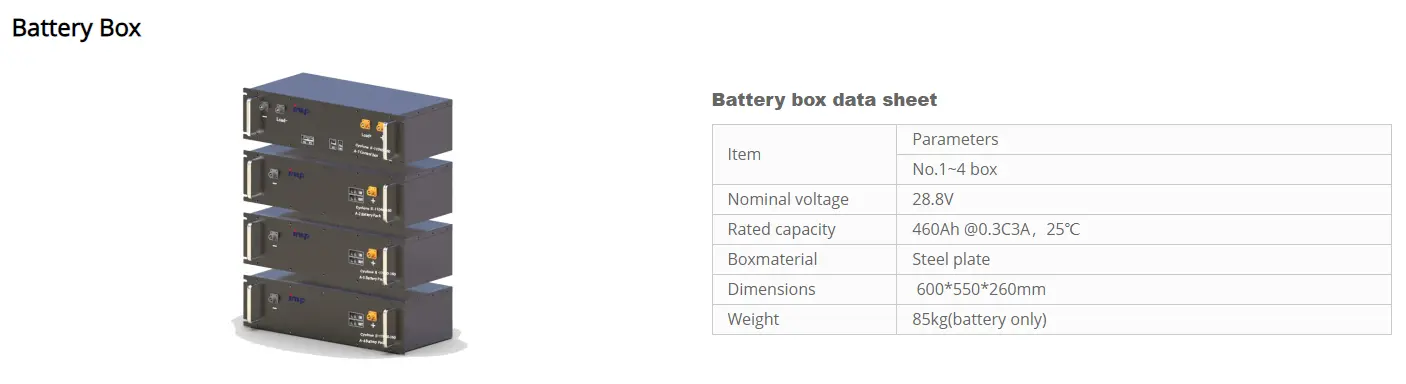
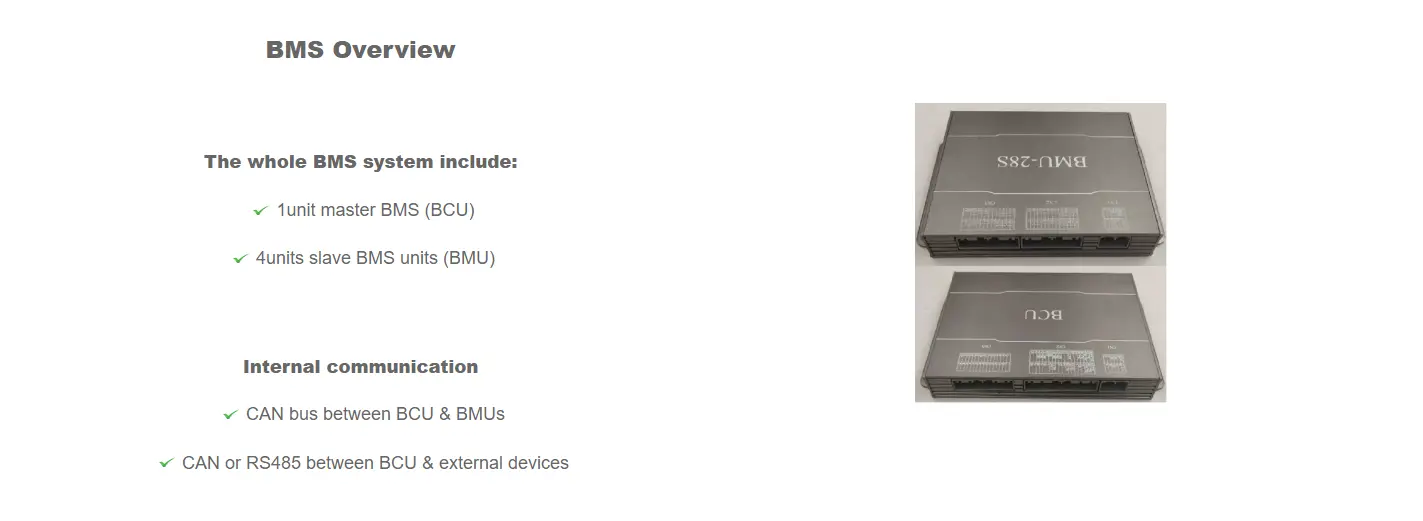
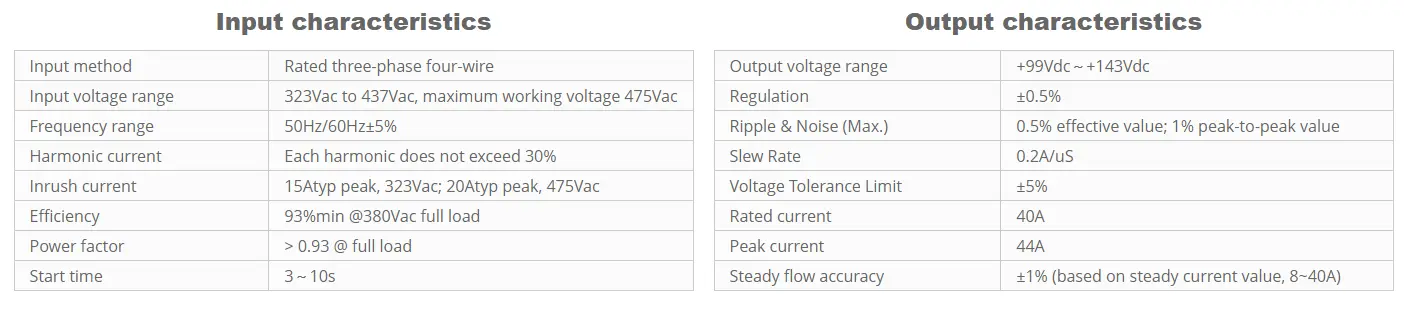
115V DC Power Rectifier
Insulating Properties

Monitoring System
Introduction
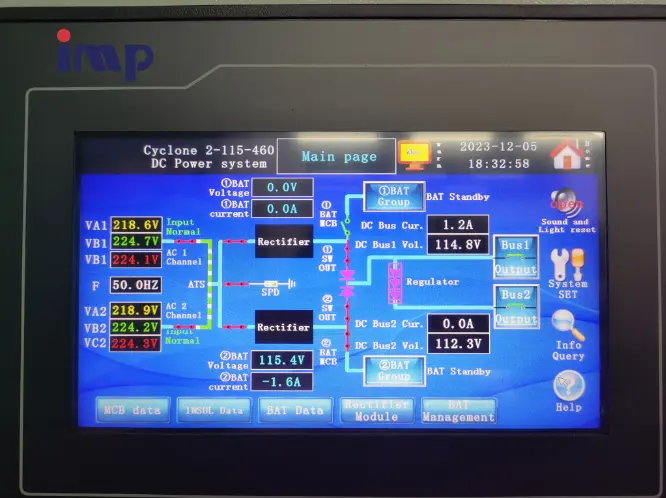
The IPCAT-X07 is a medium-scale monitoring solution tailored to meet the integration needs of conventional DC power systems. Designed to support single-charge systems ranging from 38Ah to 1000Ah, this versatile unit collects comprehensive data by interfacing with extended signal acquisition modules.
Through its RS485 connectivity, the IPCAT-X07 enables remote monitoring and control from a central command center, facilitating the unattended operation of mission-critical power infrastructure.
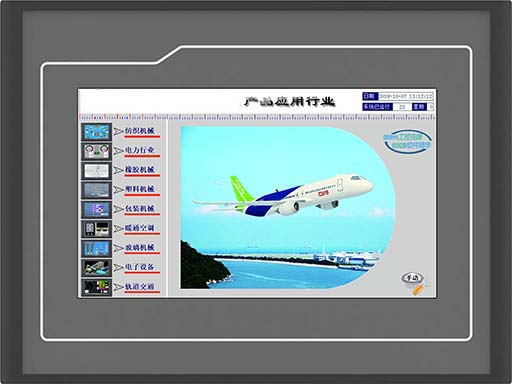
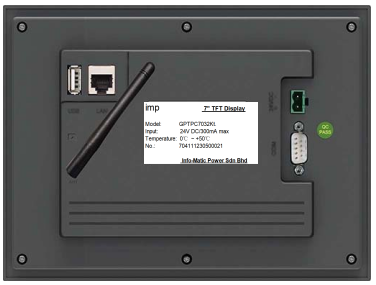
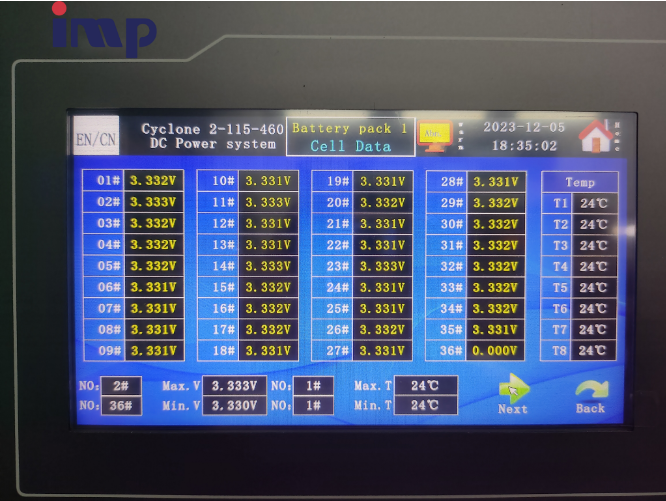
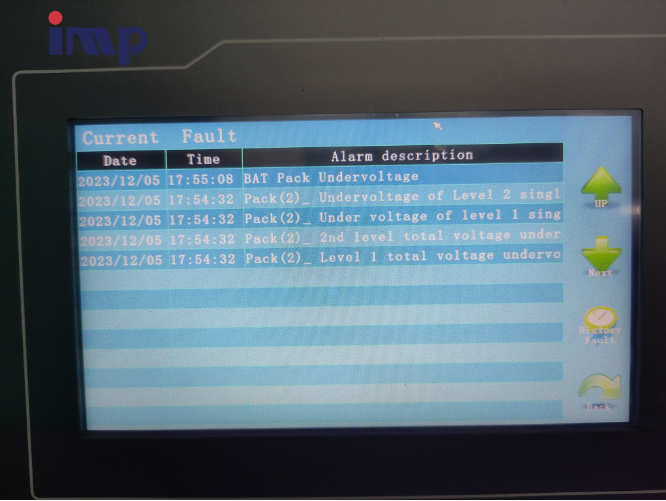
Display Interface Details
Equipment selection for DC system
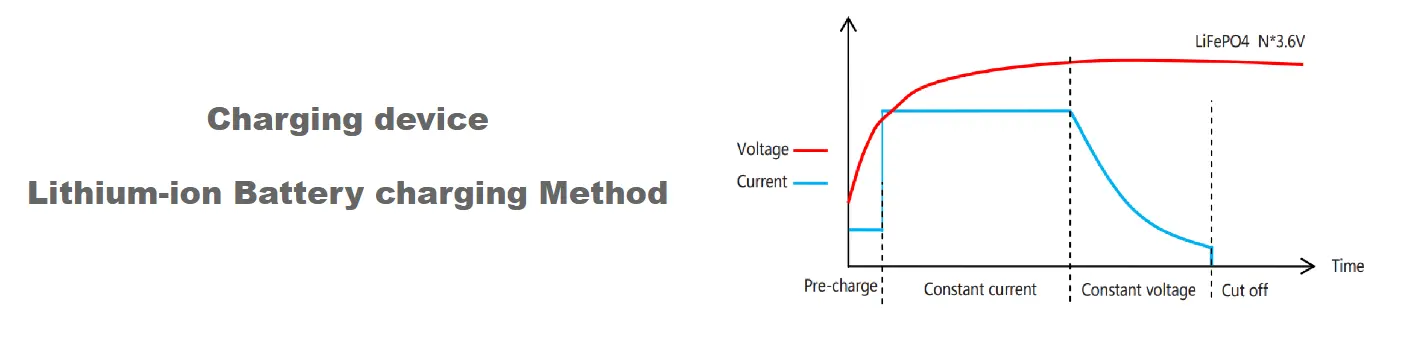
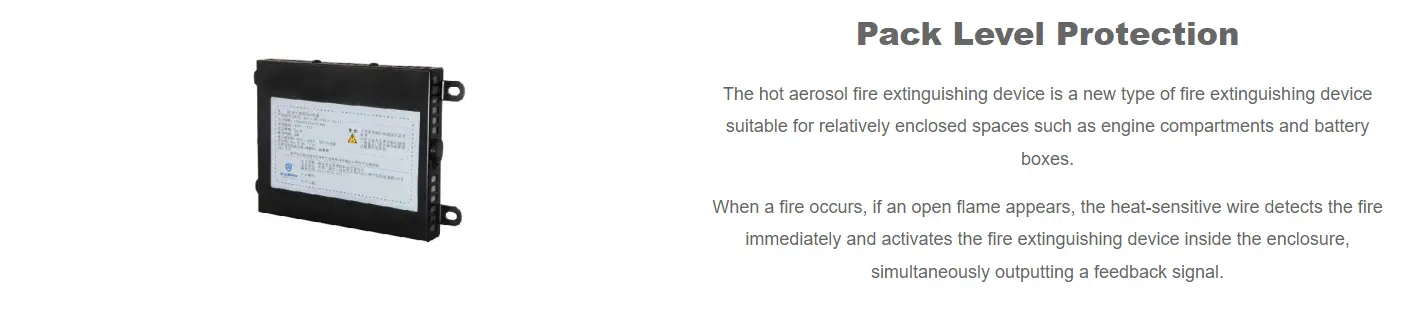
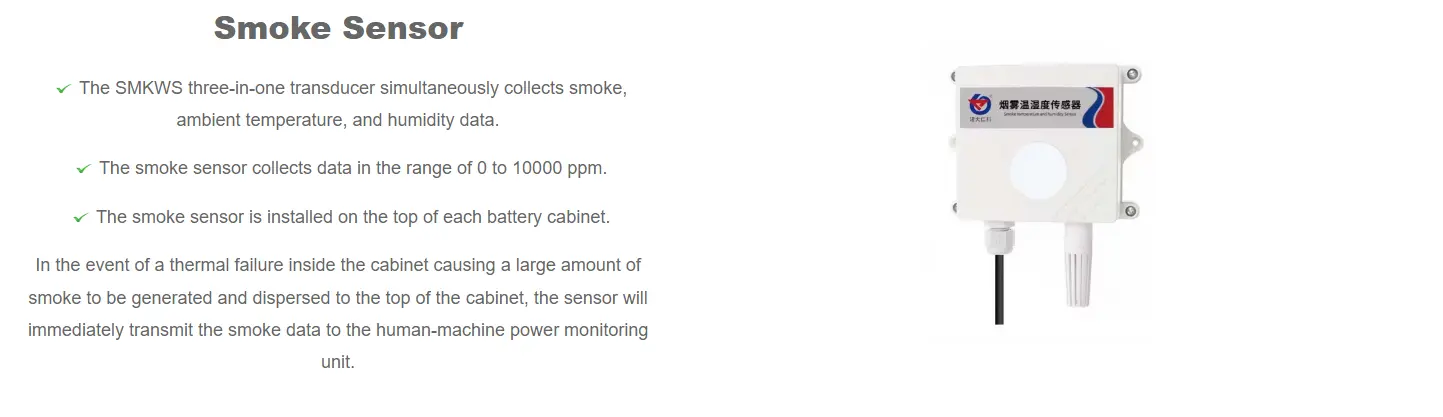
DC Panel Cabinet
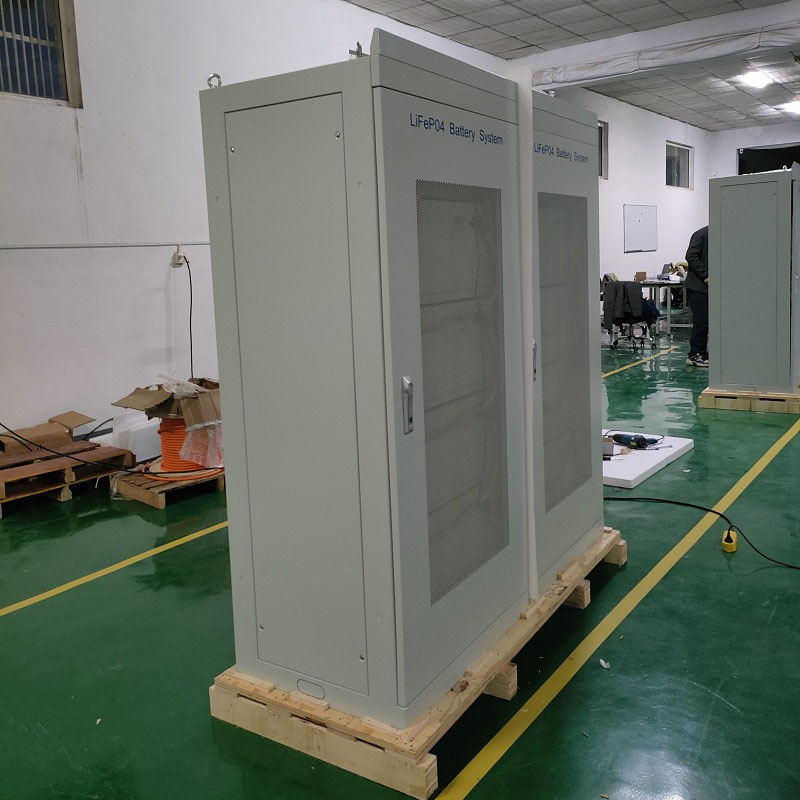
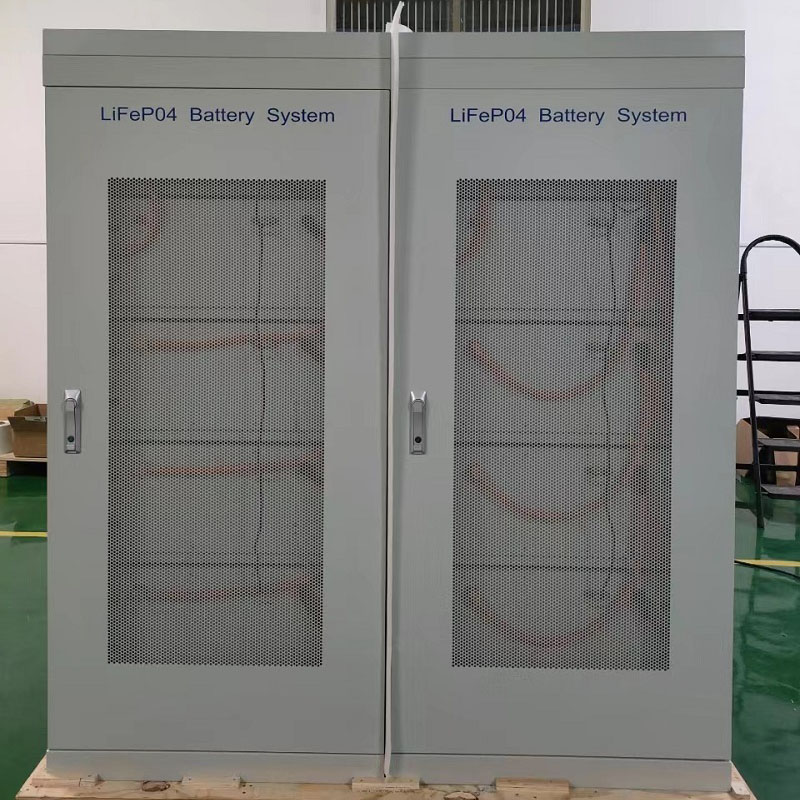
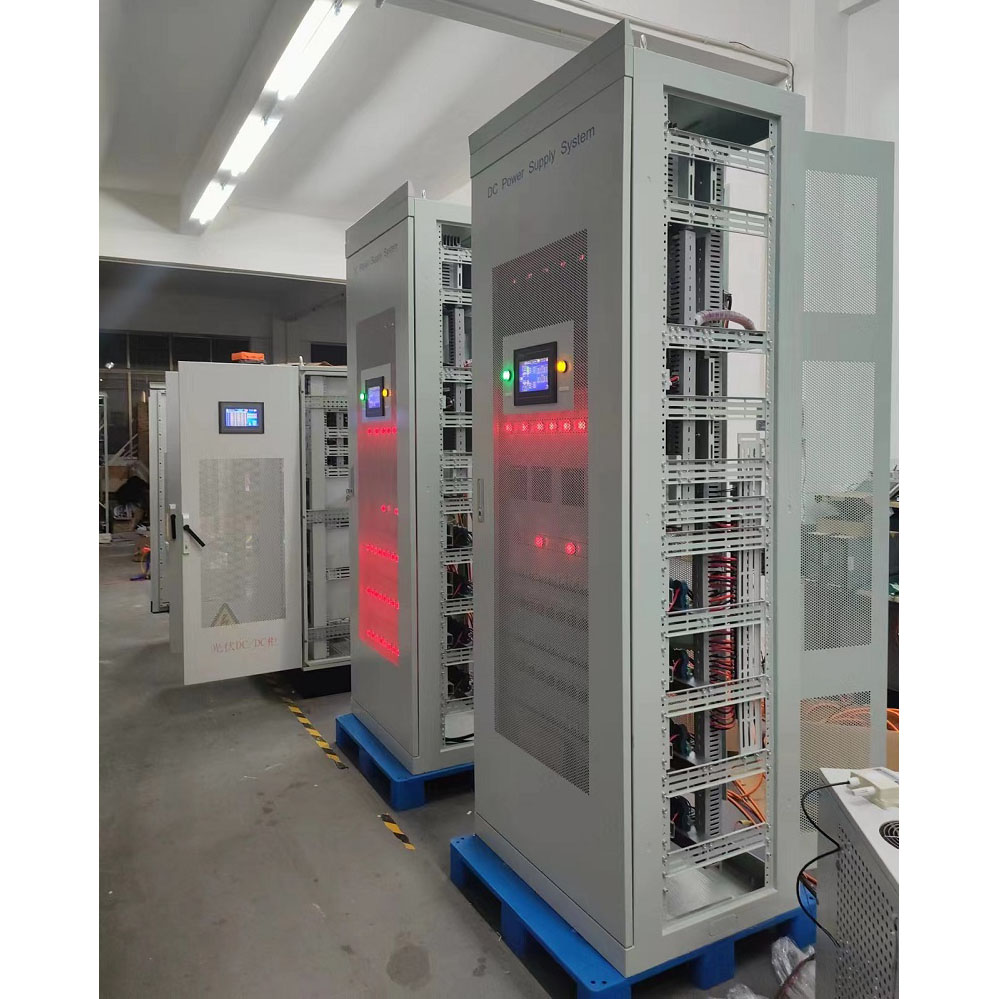
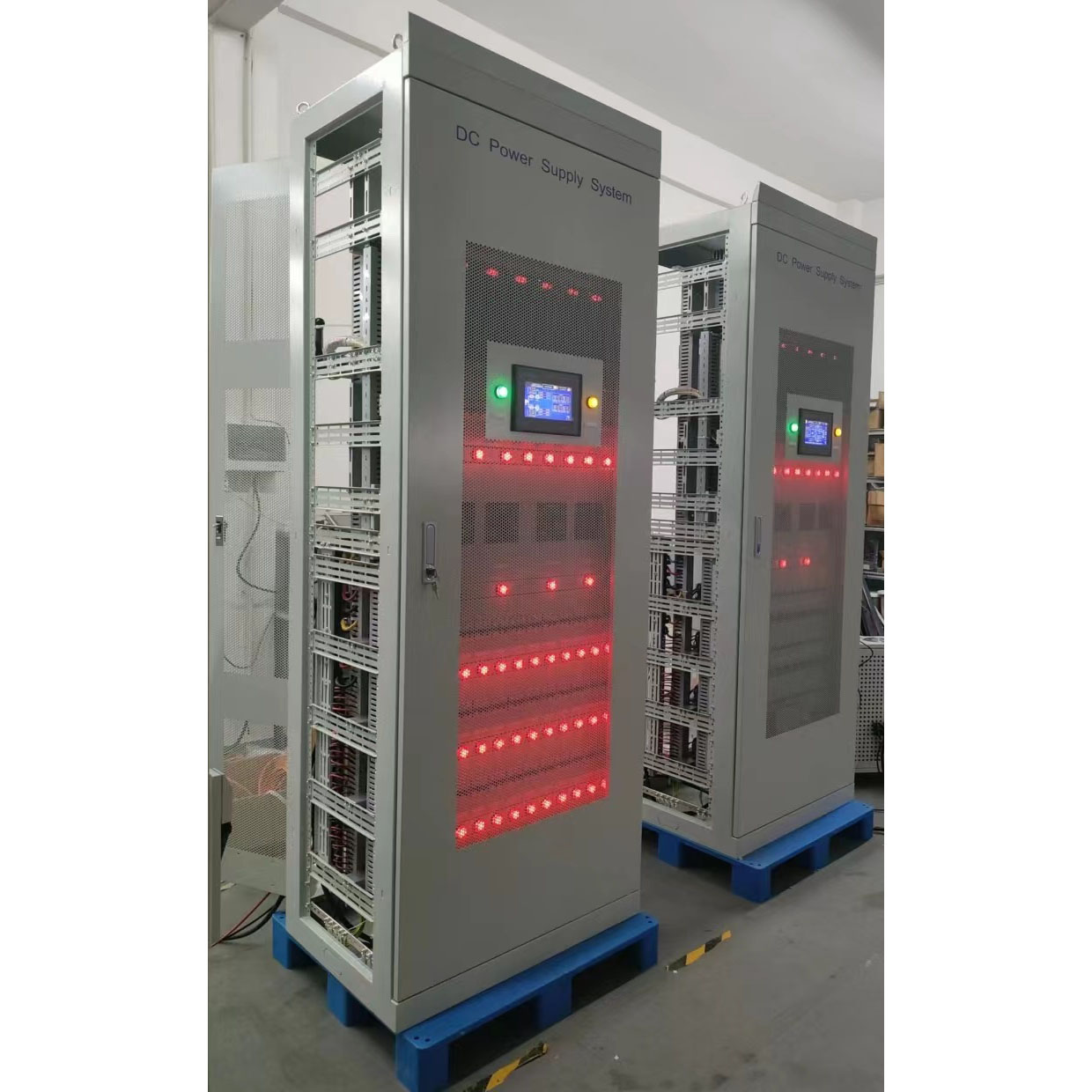
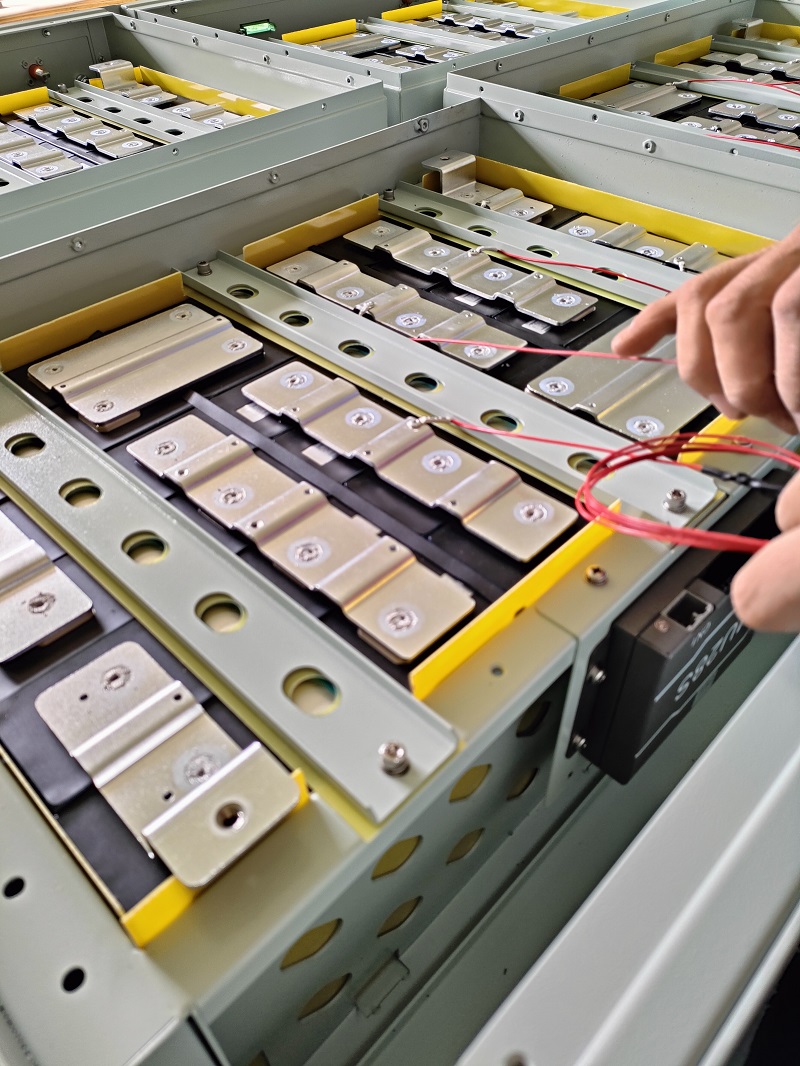
Engineered for hassle-free maintenance and thermal management, the battery system cabinet measures 2260(H) x 800(W) x 800(D)mm in a RAL7035 color scheme. The single-opening glass mesh front door and double-opening full mesh rear door facilitate easy access and airflow. With the door hinges positioned on the right and the locks on the left, the cabinet's ergonomic layout enhances user convenience.
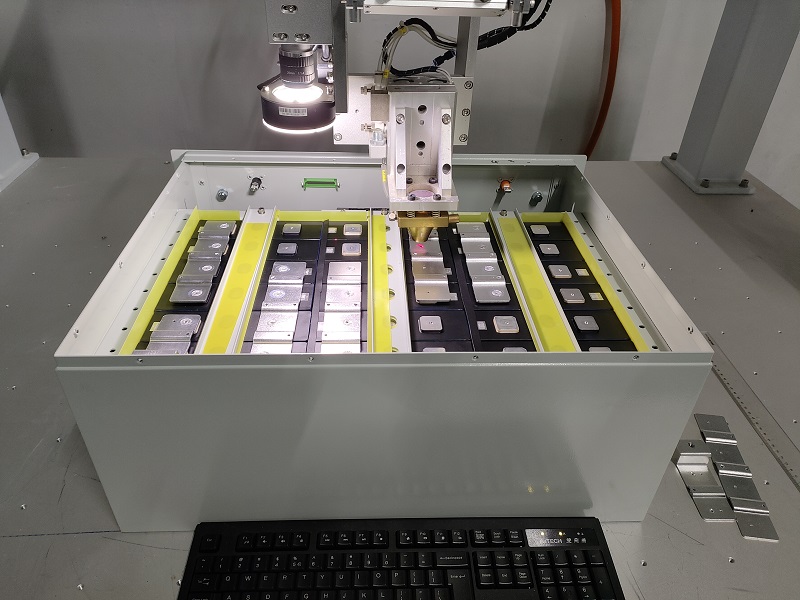
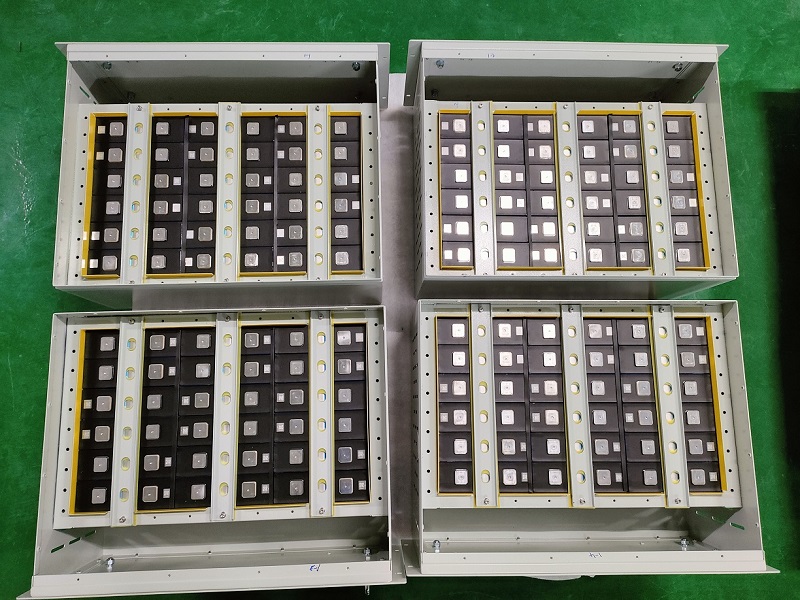
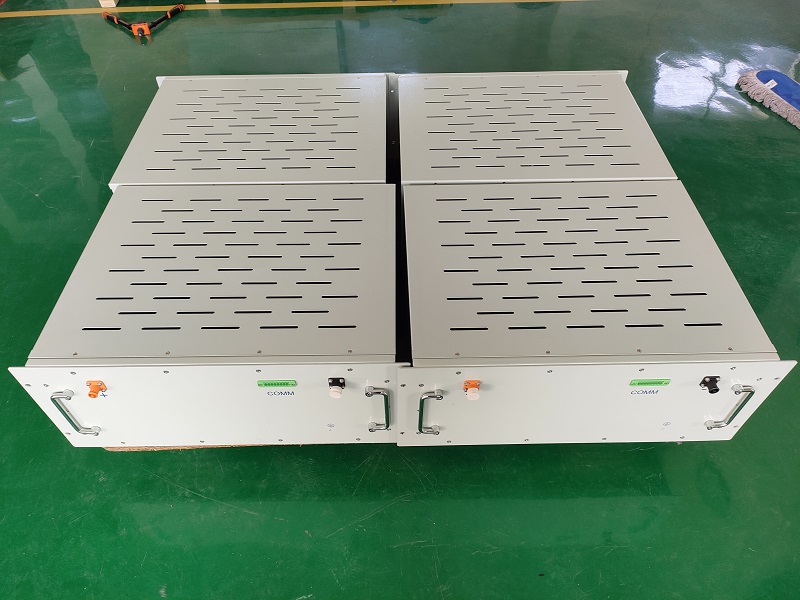
To accommodate the heavy battery modules, the lower section houses the power source, while the upper compartment houses the high-frequency rectifier and monitoring units. An integrated LCD display provides real-time status updates, enabling comprehensive system oversight.
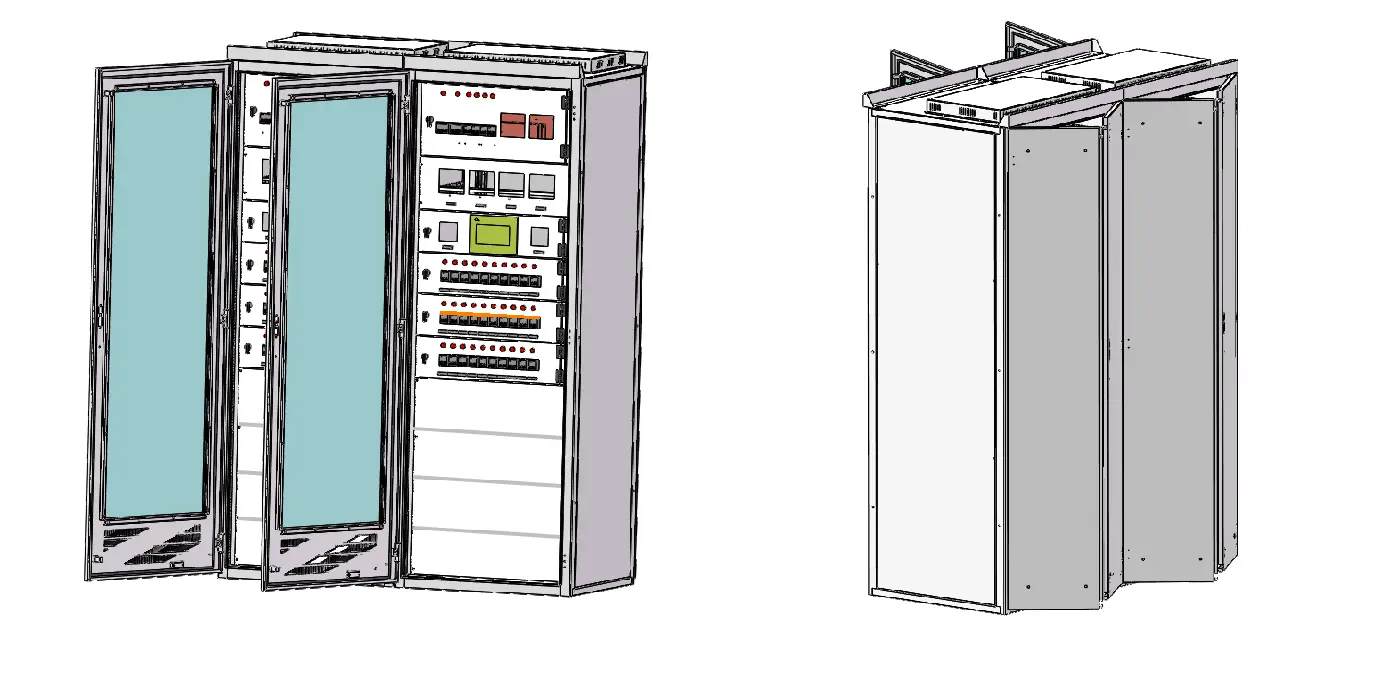
DC Operation Power Supply Electric System Diagram
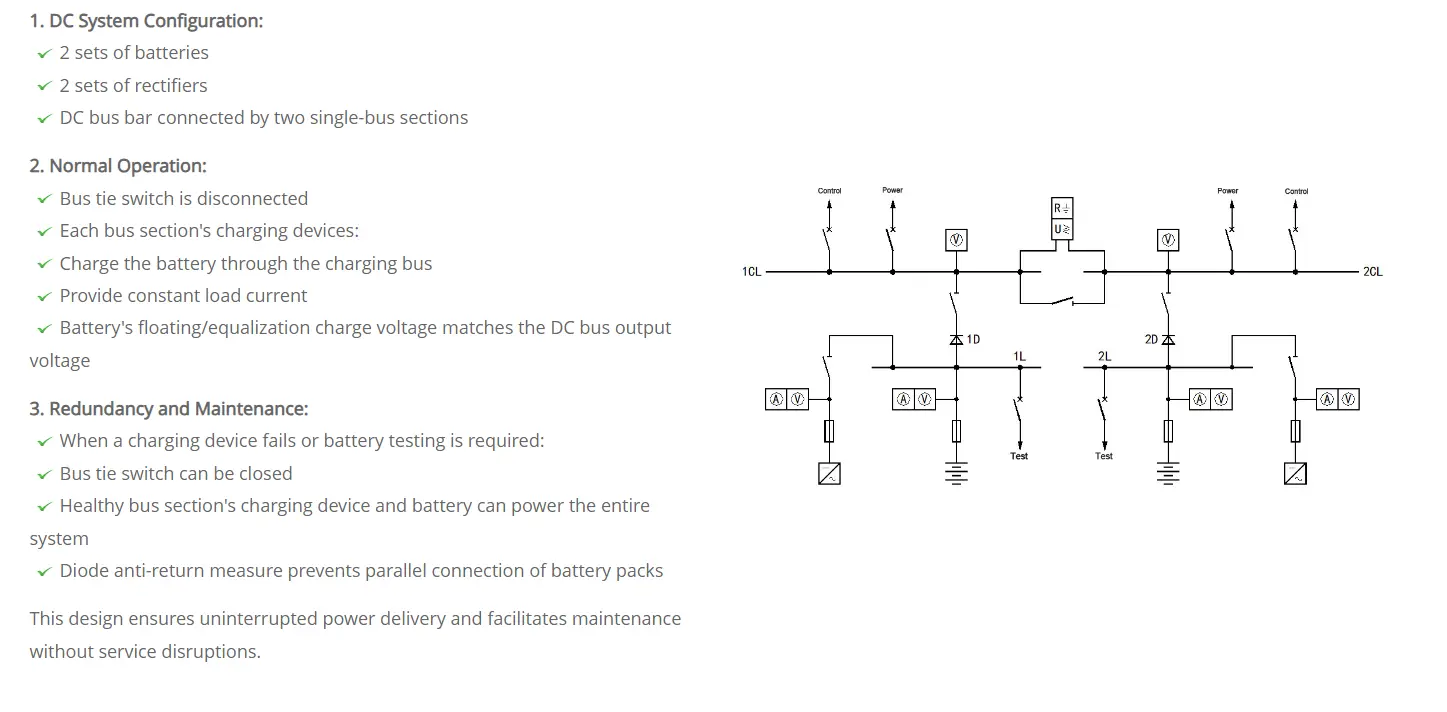
Electrical Schematics
Application
DC power supply systems are widely used in various industries and fields. Some common applications of DC power systems include:
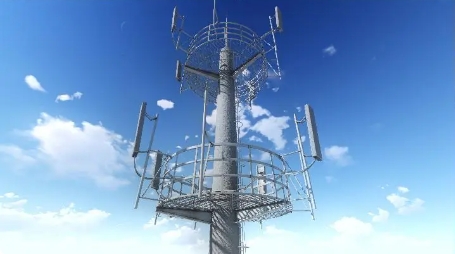
1. Telecommunications: DC power systems are widely used in telecommunications infrastructure, such as cell phone towers, data centers and communication networks, to provide reliable, uninterrupted power to critical equipment.
2. Renewable energy: DC power systems are used in renewable energy systems, such as solar photovoltaic power generation and wind power generation installations, to convert and manage DC power generated by renewable energy sources.
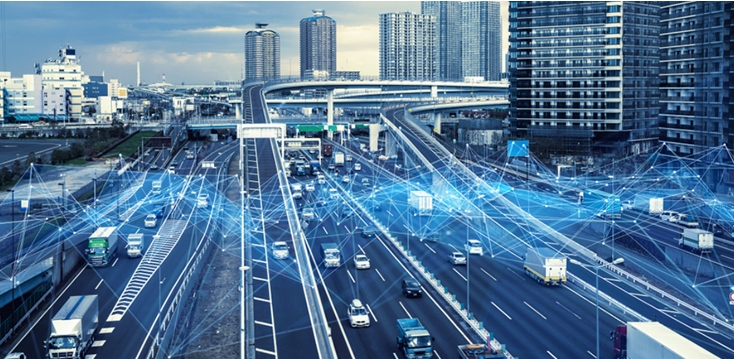
3. Transportation: Electric vehicles, trains, and other forms of transportation usually use DC power systems as their propulsion and auxiliary systems.
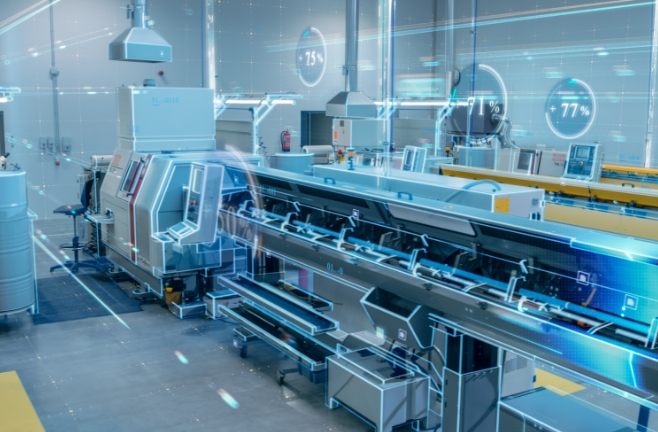
4. Industrial Automation: Many industrial processes and automation systems rely on DC power to control systems, motor drives and other equipment.
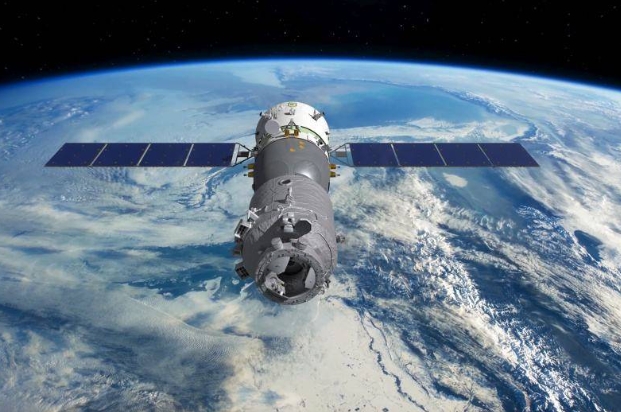
5. Aerospace and Defense: DC power systems are used in aircraft, spacecraft and military applications to meet a variety of power needs, including avionics, communications systems and weapons systems.
6. Energy Storage: DC power systems are an integral part of energy storage solutions such as battery storage systems and uninterruptible power supplies (UPS) for commercial and residential applications.
These are just a few examples of the diverse applications of DC power systems, demonstrating their importance in multiple industries.